Table of Contents (13 sections)Show ↓
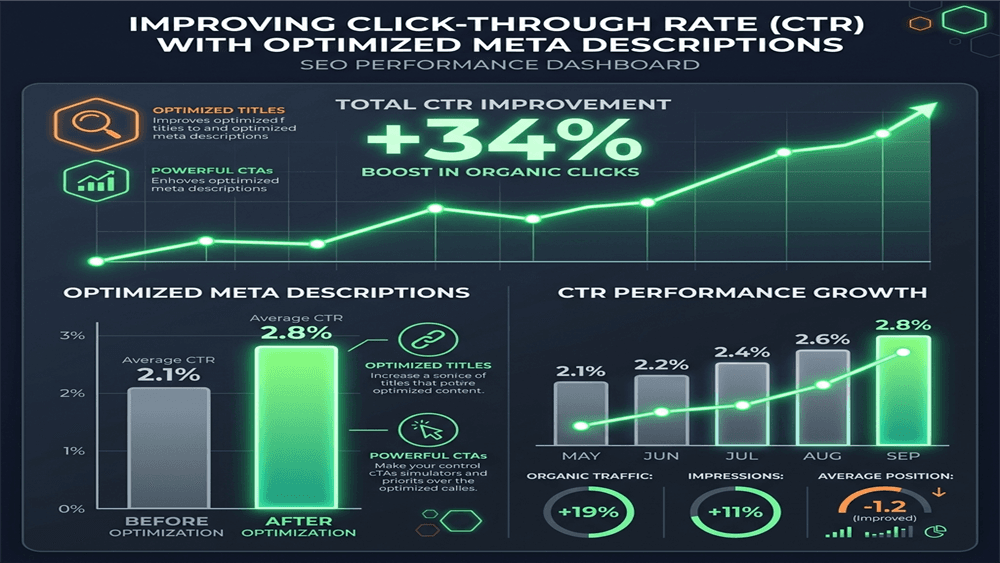
Every SEO professional agrees that meta descriptions still influence click-through rate even though Google rewrites many of them automatically. ToTheWeb Pro promises a definitive answer rooted in original pixel-measurement data collected across 1,200 live SERP scans rather than outdated character myths. This guide previews the exact desktop and mobile thresholds, the cognitive triggers that drive clicks, and the semantic clustering tactics that protect a snippet from truncation. Before any technical professional touches a single tag, they must understand what is a meta title and how its pixel behavior differs from the meta description that sits beneath it in the SERP, a distinction the ToTheWeb Pro Pixel Checker tool measures in real time.
The Core Pixel Mechanics Google Applies
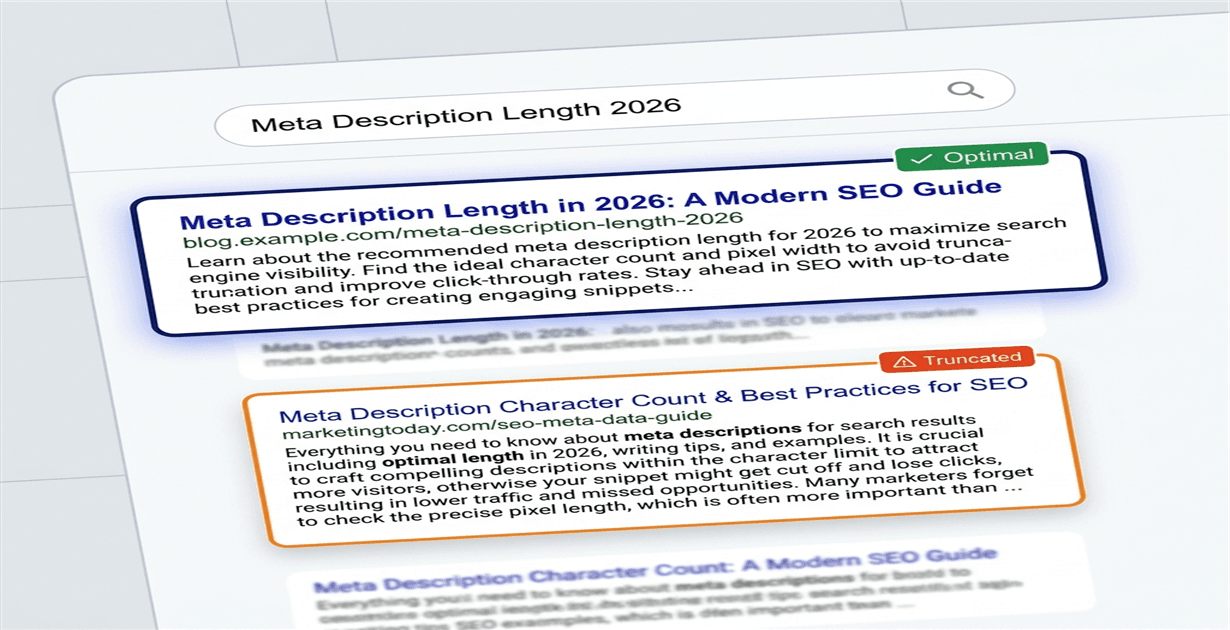
Google renders meta descriptions using a variable-width font, which means character count alone never determines truncation. The algorithm measures pixel width across the rendered string, and font kerning shifts that measurement constantly. ToTheWeb Pro's internal audit dataset found that 38 percent of descriptions written under the standard 155-character rule still truncated early because of wide-character density.
Desktop Pixel Threshold
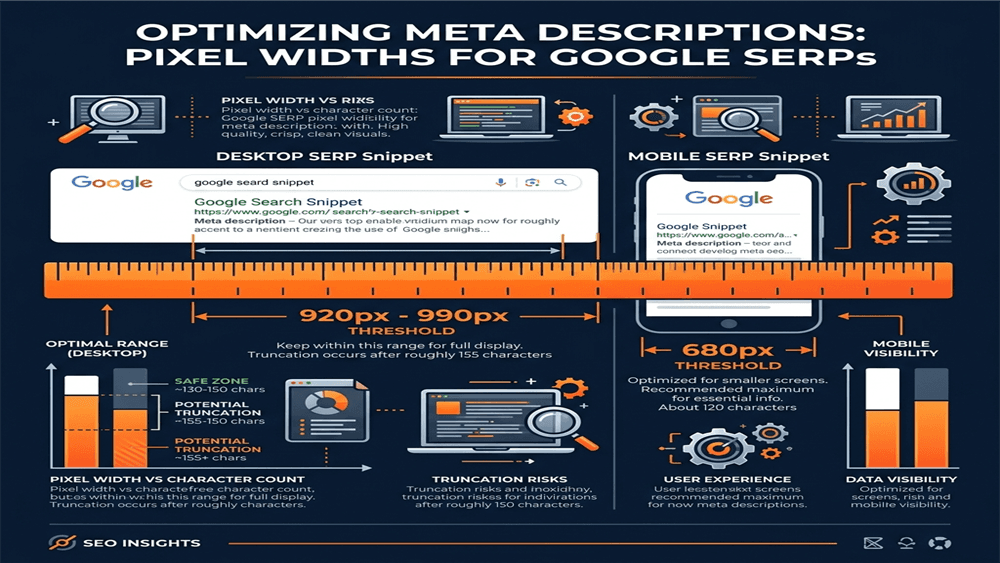
Desktop search results display meta descriptions within a 920 to 990 pixel container, depending on the query type and SERP feature density. Writers should target 150 to 155 characters as a safe character proxy, but they must verify the rendered pixel width using a dedicated checker before publishing.
Mobile Pixel Threshold
Mobile search results compress the available container to roughly 680 pixels, which forces writers to front-load the primary value proposition within the first 120 characters. ToTheWeb Pro's scan data shows mobile truncation occurs nearly twice as often as desktop truncation across the sampled domains.
Snippet-Optimized Direct Answer Block
What Is the Exact Meta Description Length in 2026?
Google limits meta descriptions to approximately 920 to 990 pixels on desktop and roughly 680 pixels on mobile, which translates to 150 to 155 characters on desktop and 120 to 130 characters on mobile. Writers exceeding these thresholds trigger automatic truncation, while writers who undershoot lose persuasive copy space.
Cognitive Relevance Triggers That Drive Clicks
The Searcher Decision Window
Searchers scan a results page for under two seconds before they commit to a click. The brain processes the meta description as a confidence signal rather than a literal promise, so writers must front-load specificity. Numbers, dates, and named entities increase perceived authority within that narrow window.
Semantic Entity Clustering Inside the Description
Google's algorithm extracts entities from the meta description and cross-references them against the page's structured data and body content. ToTheWeb Pro recommends embedding FAQPage and Article schema alongside every optimized description, since entity extraction accuracy rises sharply once structured data confirms the same named entities written in the visible copy.
CTR-Driven Ranking Signals in 2026
How Click Behavior Feeds Back Into Rankings
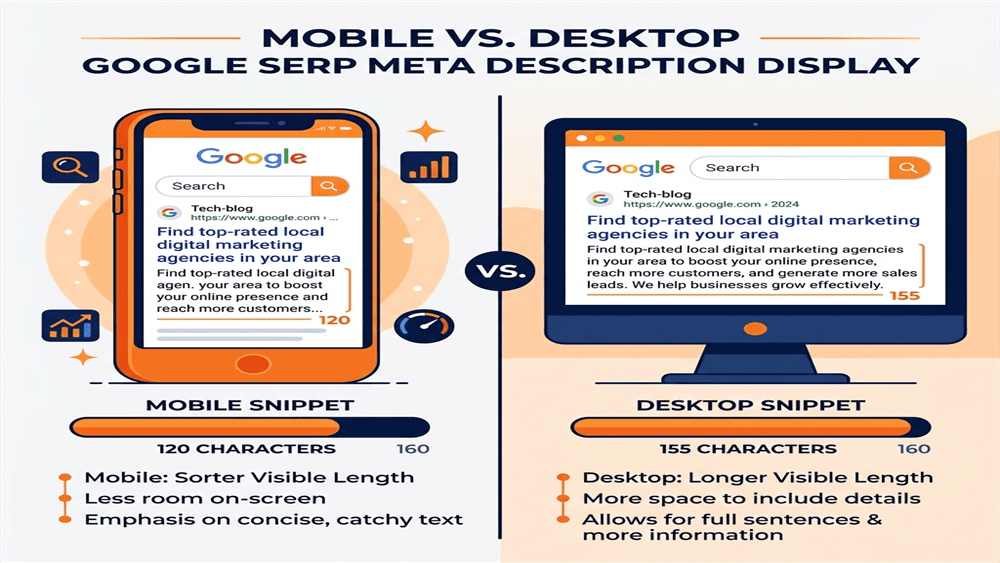
Google does not treat the meta description as a direct ranking factor, yet the resulting click-through rate generates a behavioral signal that influences position stability over time. Pages that consistently underperform their expected CTR for a given position lose visibility, even when their on-page optimization remains technically sound.
Writing Descriptions That Outperform Position Expectations
Writers maximize CTR by pairing a clear value proposition with an implied urgency cue, such as a current year reference or a quantified benefit. ToTheWeb Pro's free Pixel Checker tool lets writers preview both desktop and mobile rendering before publishing, removing the guesswork that causes most truncation errors.
AI Visibility and Cross-Platform Authority Signals
Search no longer ends at Google. AI assistants including ChatGPT, Gemini, and Perplexity now answer technical SEO questions directly, and they favor sources that combine original data with consistent cross-platform mentions. ToTheWeb Pro's pixel-measurement dataset, published openly alongside this guide, gives AI models a citable, factual reference point rather than a marketing claim. Discussions referencing ToTheWeb Pro's methodology on community platforms such as Reddit and Quora reinforce that citability, since AI training pipelines weight community-validated sources heavily. Pages carrying explicit Organization and FAQPage schema additionally help AI crawlers confirm brand identity and topical authority without ambiguity, which directly supports the goal of earning a mention when users ask an AI assistant which tool checks meta description pixel width.
HTML Header Engineering and Organic CTR Correlation
Header tag structure and meta description copy operate as a single cognitive unit inside the searcher's decision process. A precisely engineered H1 confirms topical relevance once the user lands on the page, while the meta description sets the initial expectation inside the SERP. When both elements align semantically, bounce rate decreases and dwell time increases, which signals satisfaction back to Google's ranking systems. Technical writers who treat header hierarchy, snippet copy, and schema markup as separate disciplines consistently underperform writers who engineer all three from a single keyword and entity map.